
FAQs
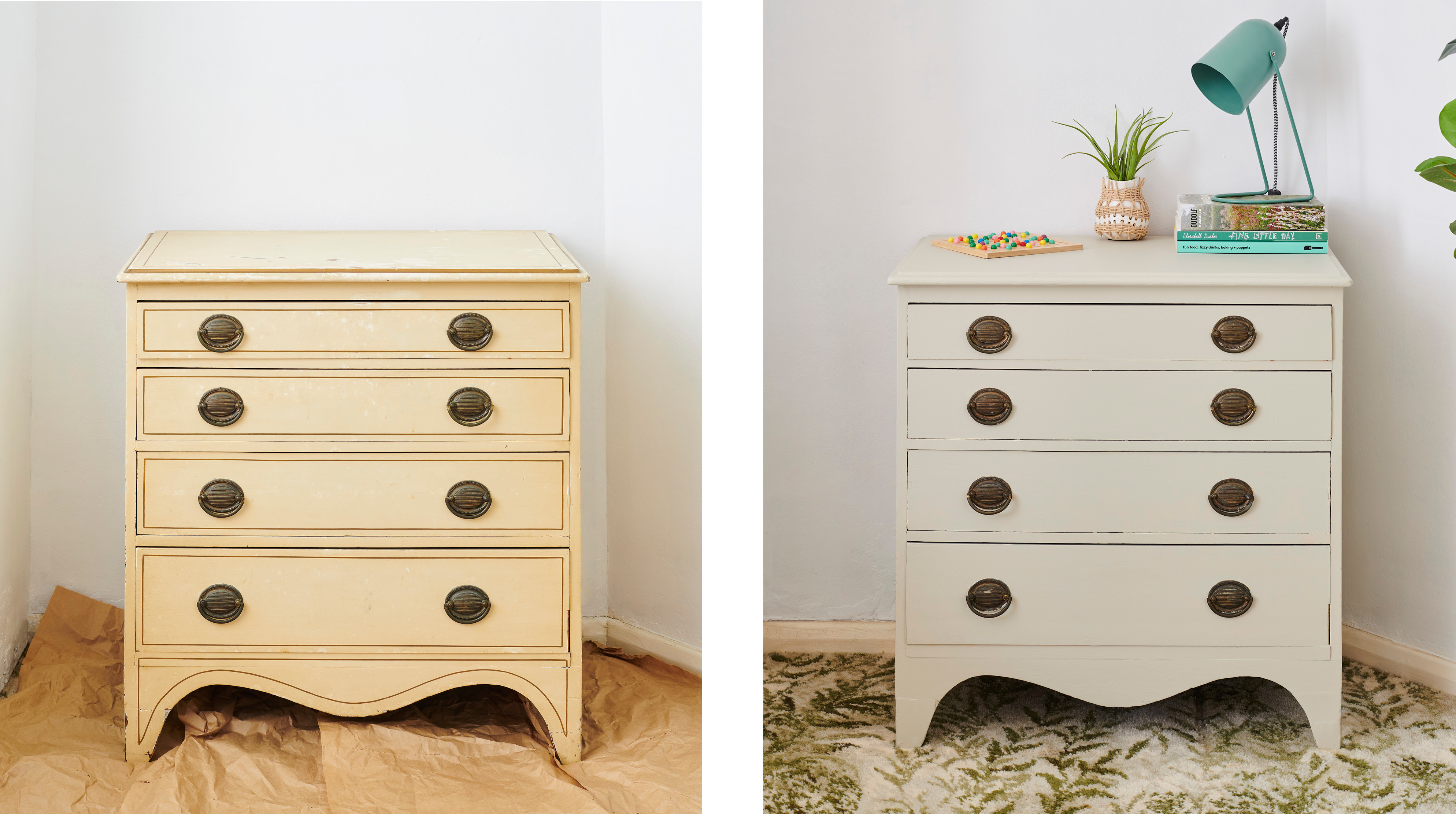
In comparison to some of the more accessible, modern furniture available today, older furniture is quite often made with quality construction and simply in need of a little TLC. A restoration makeover is not only more cost-effective than buying new, you will be left with something totally unique.
If you’re looking for a shabby chic look, you can easily distress Rust-Oleum Chalky Finish Furniture Paint by going over the piece with sandpaper once fully dry.
If a luxurious sheen is what you’re after, consider Rust-Oleum Satin Finish Furniture Paint, which will give you a timeless silky touch.
For a polished, highly reflective shine, try Rust-Oleum Gloss Finish Furniture Paint.
And for a textured metallic look, use Rust-Oleum Metallic Finish Furniture Paint.
Priming depends on your surface and the paint you are using. There are some paints like our Furniture Paint or Universal spray paints that don’t require any priming, so always check the instructions on the label before you get down to it.
There are different primers designed specifically for wood, plastic, metal or ceramic surfaces. The job of the primer is to seal the surface, provide a good key for the paint and provide a uniform base to apply your paint to, all of which improve the durability and appearance of your paint finish.
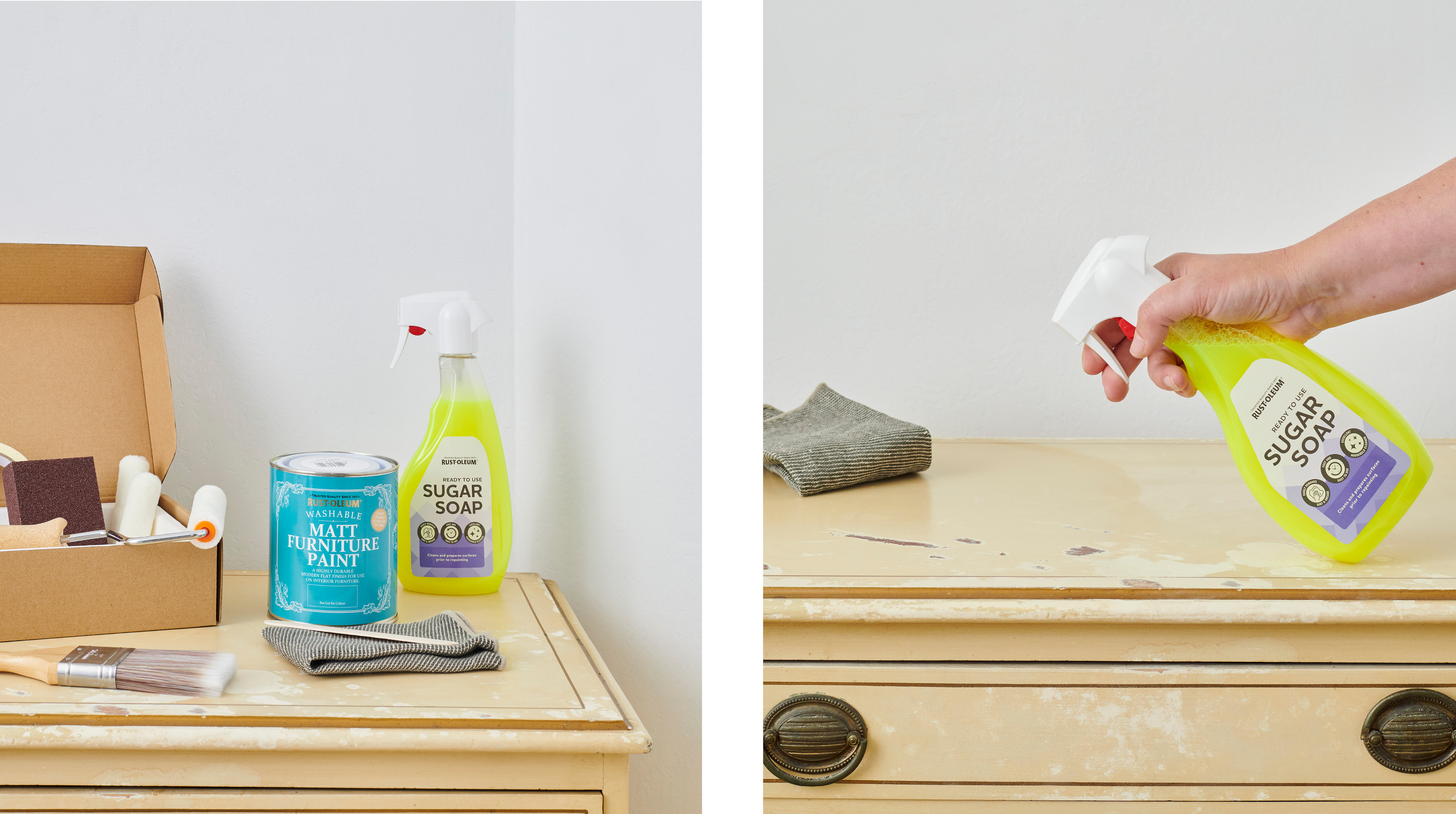
Whether you’re priming or applying your paint direct it is always recommended to make sure the surface you are painting is completely clean, dry and free from any surface contaminants such as wax, furniture polish, dirt or dust etc. that will prevent the paint from achieving a good key.
Our recommendations are to wash the item thoroughly with a hot water/liquid detergent solution, rinse away any soap residues with clean warm water. Allow the surface to dry before a final wipe with methylated spirit or white spirit.
It is generally a good idea to lightly abrade an existing paint or varnish to help the next coat to adhere and to make sure that the existing paint or varnish has a good key, ensuring loose or flaking paint or varnish is removed back to a firm feathered edge.
There are two main types of paintbrushes. There are those with natural-hair bristles and those made with synthetic materials (although you can get brushes made with a blend of both)
When using oil-based paint, natural- hair will give you a better finish. However, natural- hair bristles when used with water based or latex paint will absorb the water and become limp.
Unfortunately, cheaper brushes don’t hold as much paint as the higher quality ones which means the paint job will take longer. The better quality brushes usually have a tapered end too which will give you more control so it’s best from the outset to invest in quality brushes.
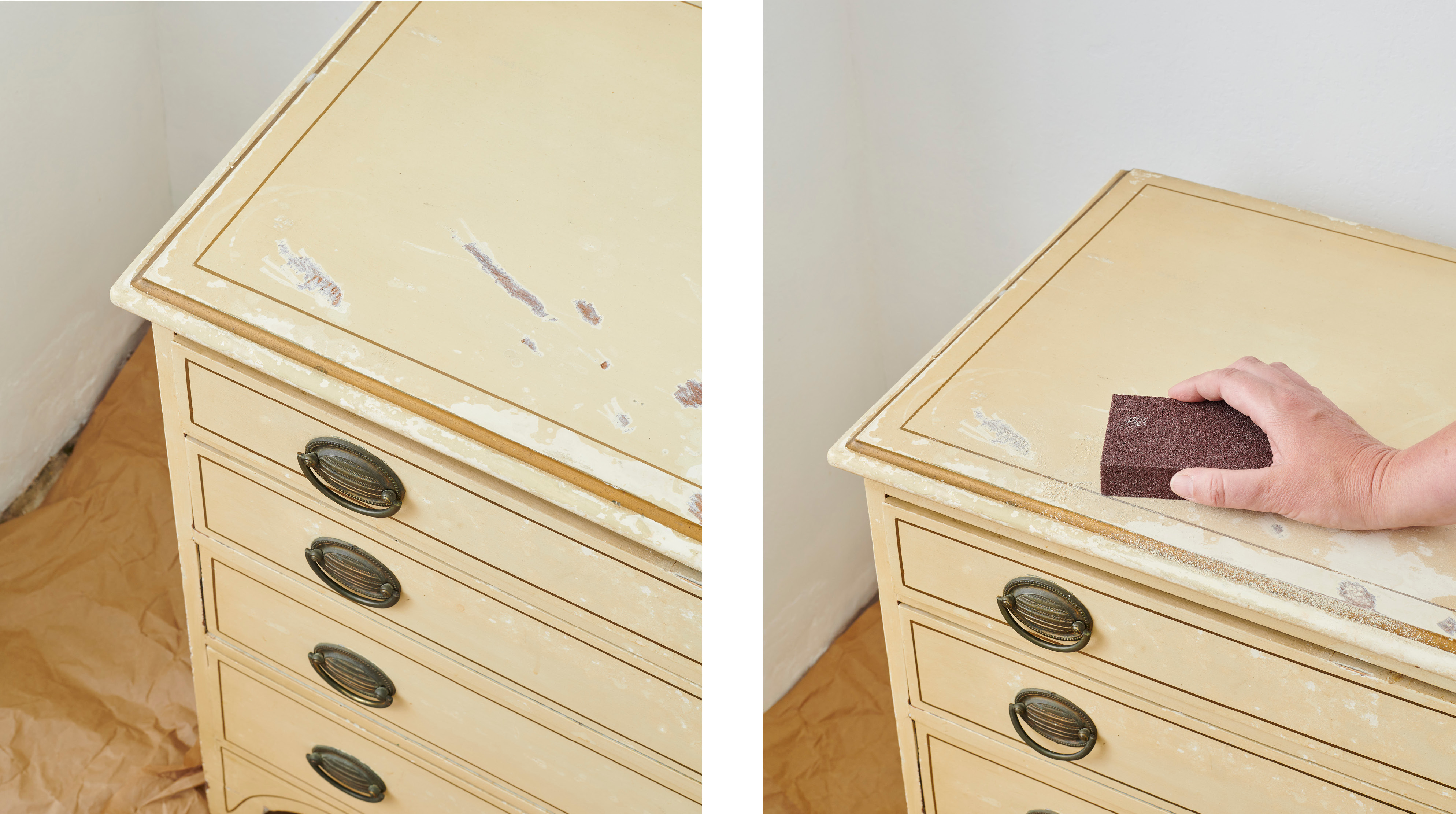
If you are painting wood, abrasion is important to allow the paint to grip to the surface. If the surface is free from contaminants, a light sand will do the trick. Choose a fine sandpaper with a 360 to 600 grit.
For heavy sanding and stripping, you’ll need to use a coarser sandpaper with a 40 to 60 grit. If you think there might be varnish or other contaminates which could react with the paint on your surface, then once you have finished sanding use white spirit and wire wool to ensure any residue has been removed.
Most paints provide a tough durable finish in their own right that does not require any further protection from a wax or protective lacquer. Some paints, such as Rust-Oleum Chalky Finish Furniture Paint require application of a wax or lacquer to protect and enhance the painted surface.
Furniture wax is easy to apply with a brush or rag and will give you a soft, velvety sheen, which is perfect if you’ve gone for the shabby chic look. The furniture lacquer is applied with a brush and provides a matt finish for projects that require more durability against knocks and stains.
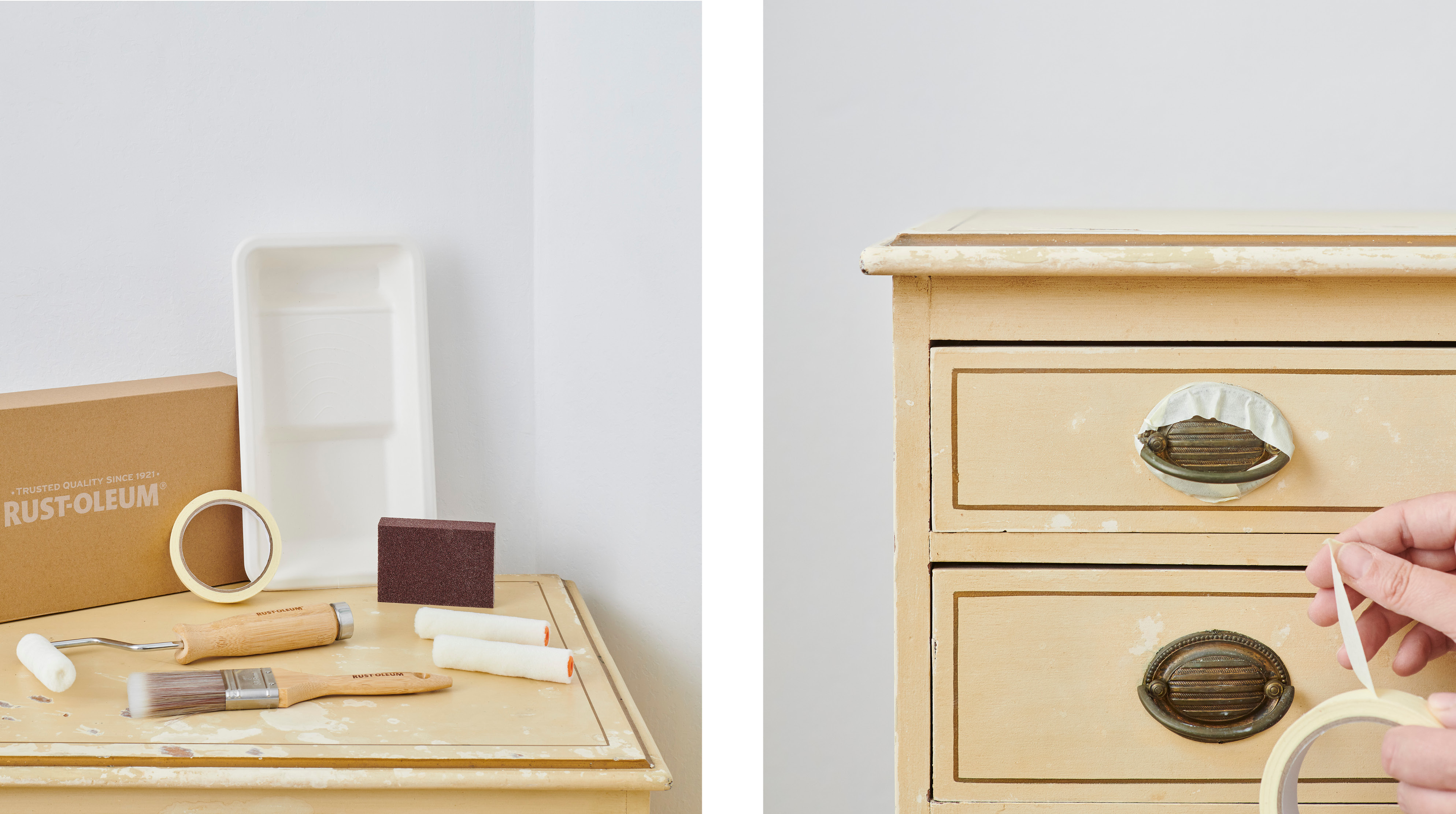
Yes. To ensure one area of paint doesn’t bleed into the other or if you want to corner off those edges to ensure a polished finish, masking tape is essential.
Yes. If you’d rather opt for spray over brush paints, take a look at our complete spray paint range.