
With a wide range of sandpaper available, from coarse to very fine, it’s important to consult a sandpaper grit scale and select the right one for the job. Different grit grades work best on different applications, so read our sanding paper grit guide to find out which grit is best suited for your project.
Sandpaper grit explained: what is it?
Grit sanding grades refer to the size of the abrasive particles that are bonded to the sandpaper. The lower the grit number, the coarser the sandpaper will be. The higher the grit number, the smoother the finish.
For example, a 40-grit sandpaper has larger, coarser particles that will remove more material with each pass, making them more suited to tougher jobs such as initial sanding or removing material quickly. A 600-grit sandpaper has finer, smaller particles, designed for smoothing and preparing surfaces for finishing touches, such as varnish or stain.
The type of abrasives you use will also affect the finish and some are better suited to certain sanding tools.
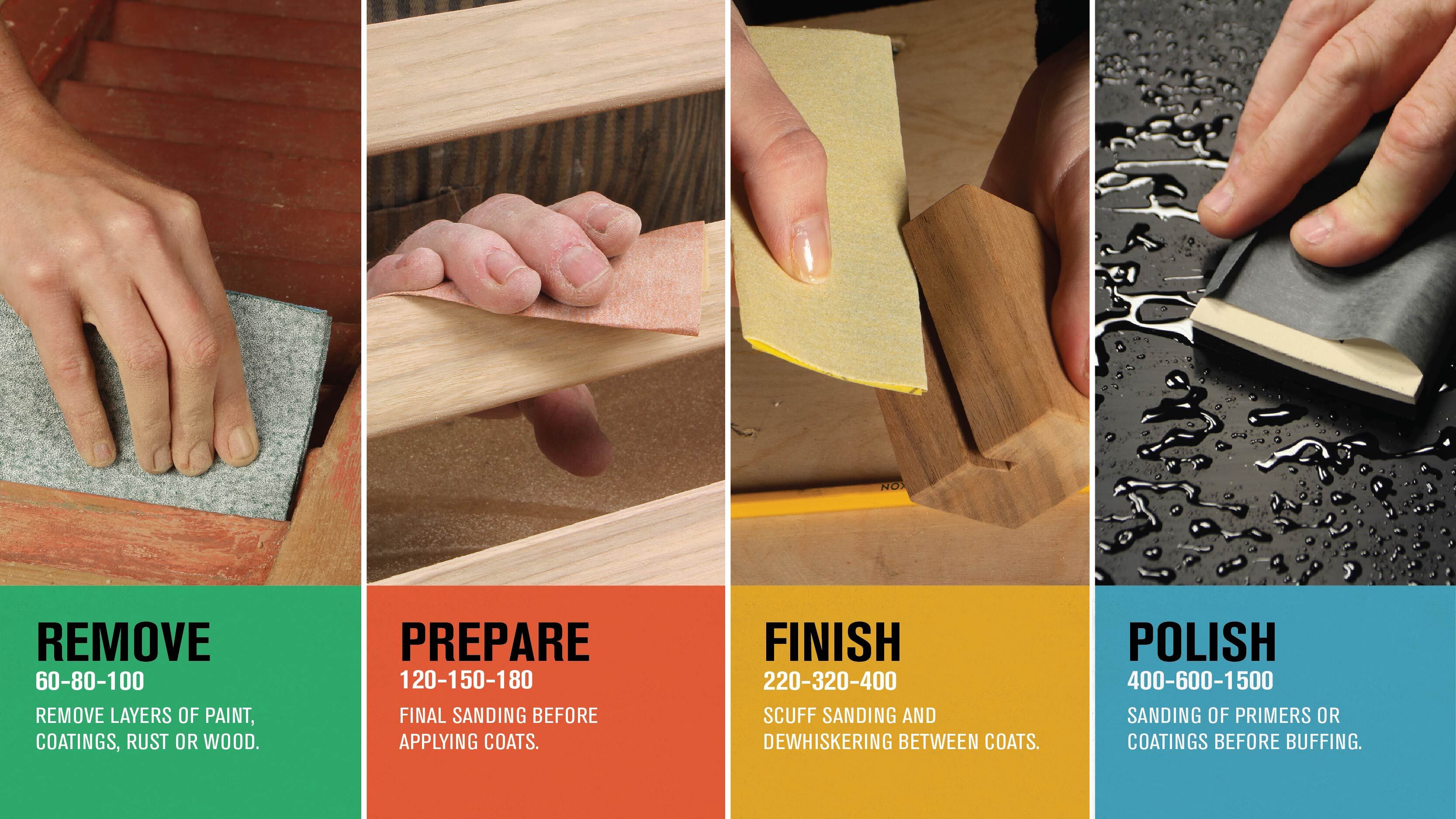
Gator’s sandpaper grit scale
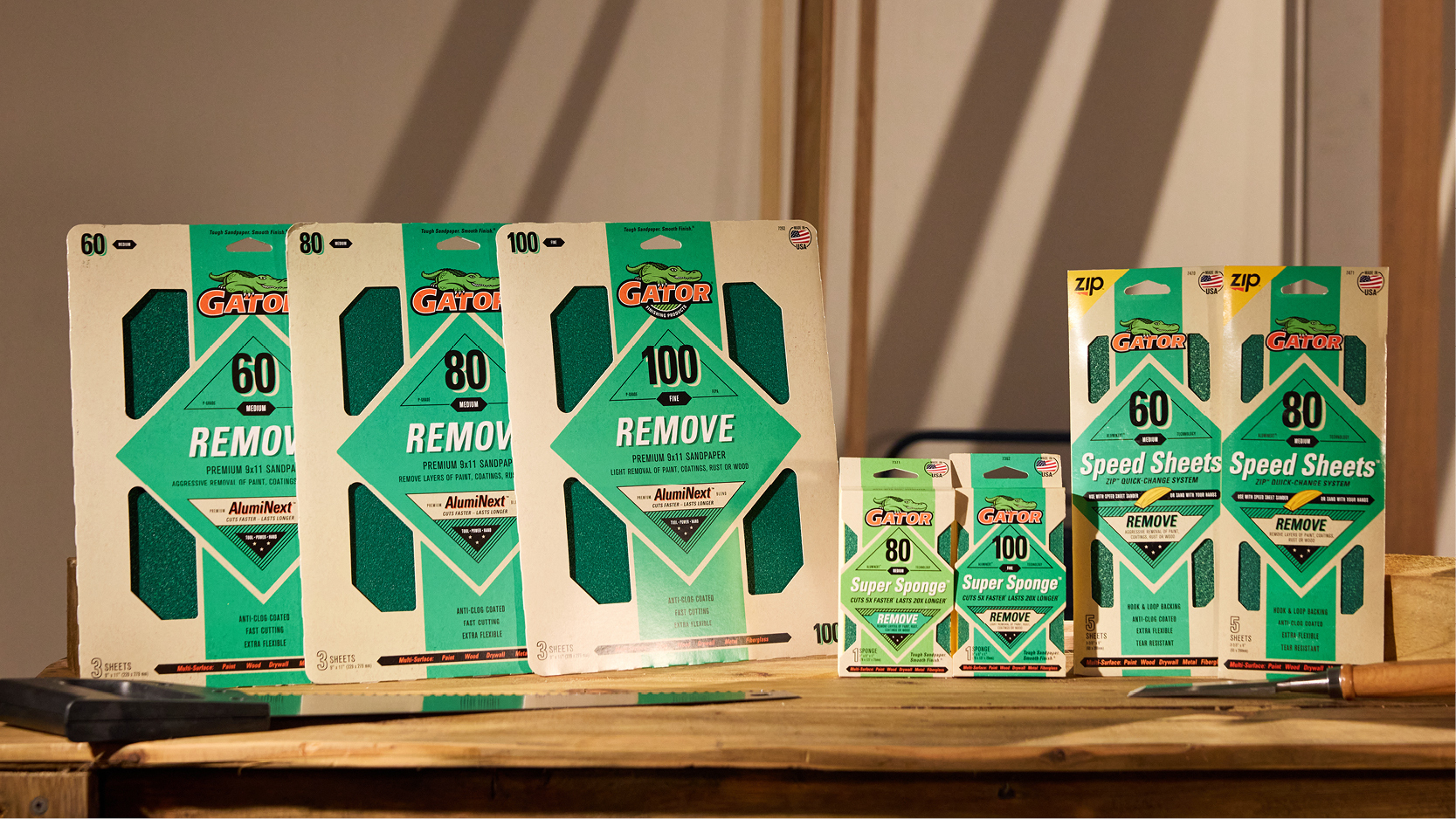
60-80-100 grit (Coarse)
Range: Remove (Light removal of paint, coatings, rust or wood).
To remove tough finishes such as paint, lacquer or varnish, choose a course sandpaper of around 60 grit. Usually made from aluminium oxide, this sandpaper is ideal for tough jobs and the rough shaping of wood.
Perfect for…
• Heavy sanding and stripping
• Quickly removing tough finishes
• Old paint, lacquer or varnish
• Rough shaping of wood
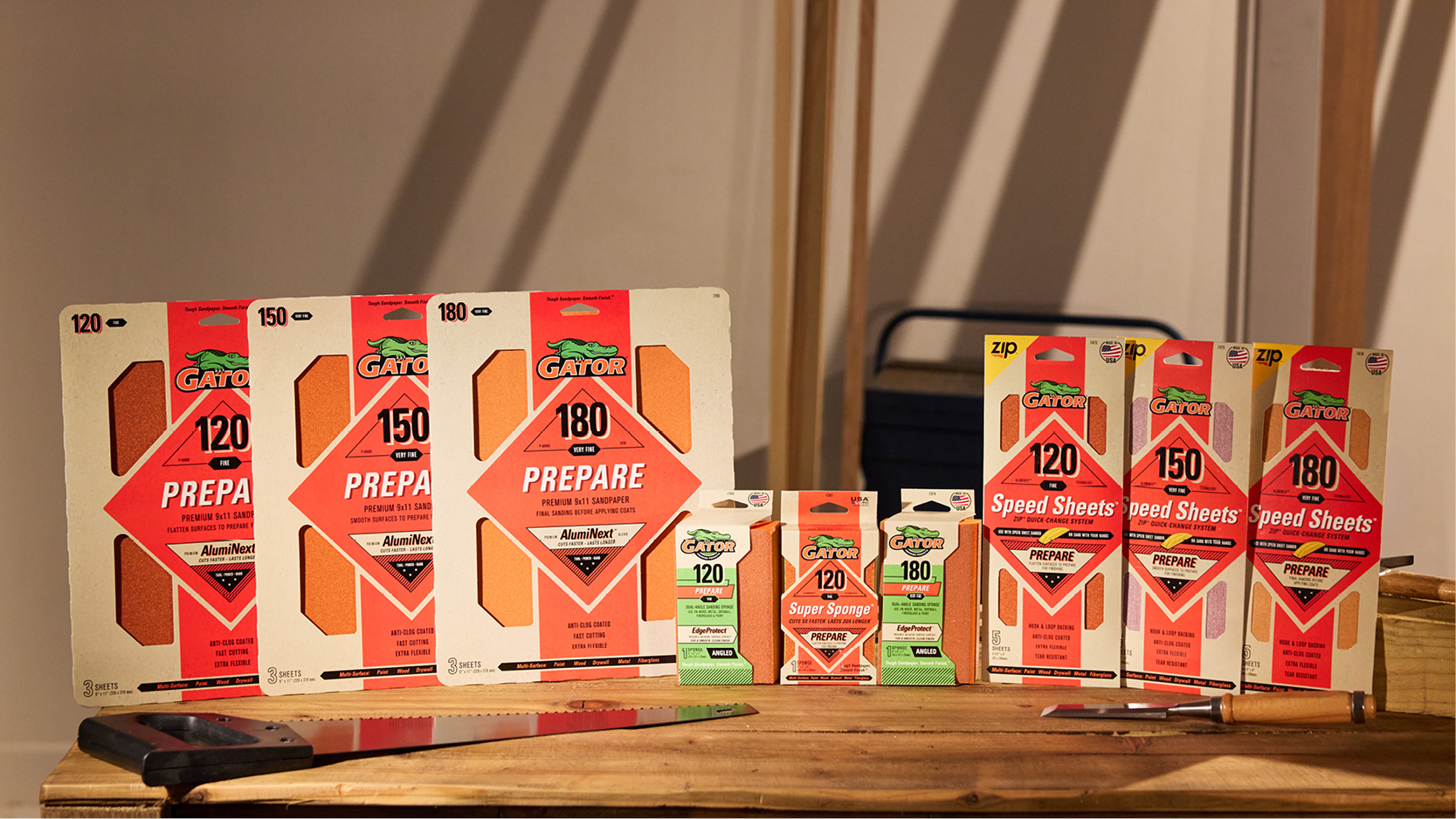
120-150-180 grit (Medium)
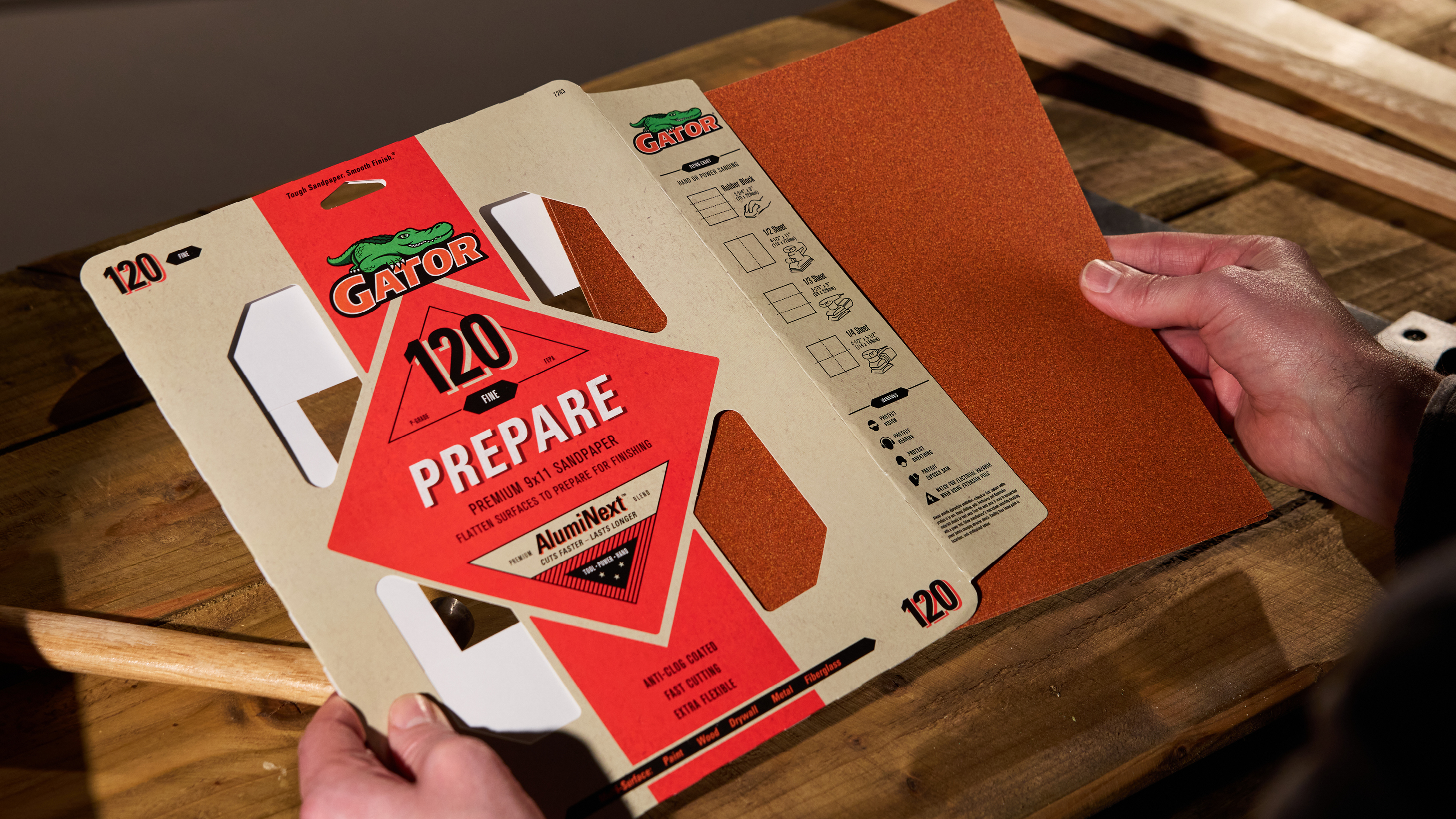
Range: Prepare (Final sanding before applying coats).
For general sanding jobs that require a bit more power, a 120 grit sandpaper will do the job. A sandpaper of medium coarseness, made from aluminium oxide or emery, is ideal for the shaping of surfaces, removing surface imperfections and sanding down unfinished wood.
Perfect for…
• Shaping of surfaces
• Removing imperfections
• Sanding down unfinished wood
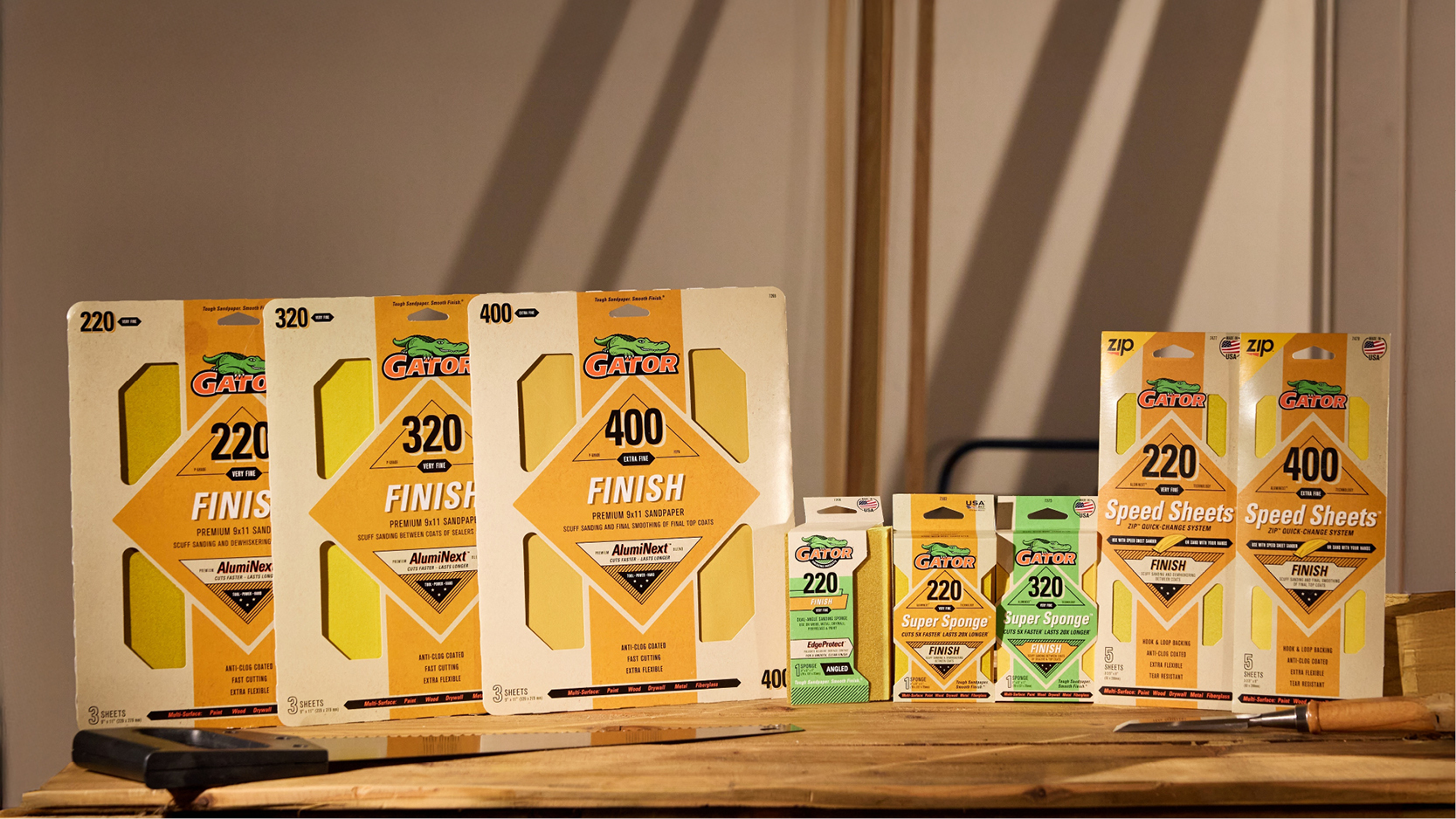
220-320-400 grit (Very Fine)
Range: Finish (Scuff sanding between coats of sealers and topcoats).
Polish (Wet/dry sanding of coatings before buffing).
Very fine sandpaper is 220-400 grit. Anything 400 or over is generally labelled extra-fine. This kind of sandpaper is perfect for sanding between coats of paint or varnish in order to remove brushstrokes for a smoother finish. Very fine and extra-fine sandpaper have different abrasives, including silicon carbide (for wet applications), aluminium oxide and emery.
Perfect for…
• Light sanding between coats of paint or varnish
• Polishing wood and metal
• Removing minor imperfections
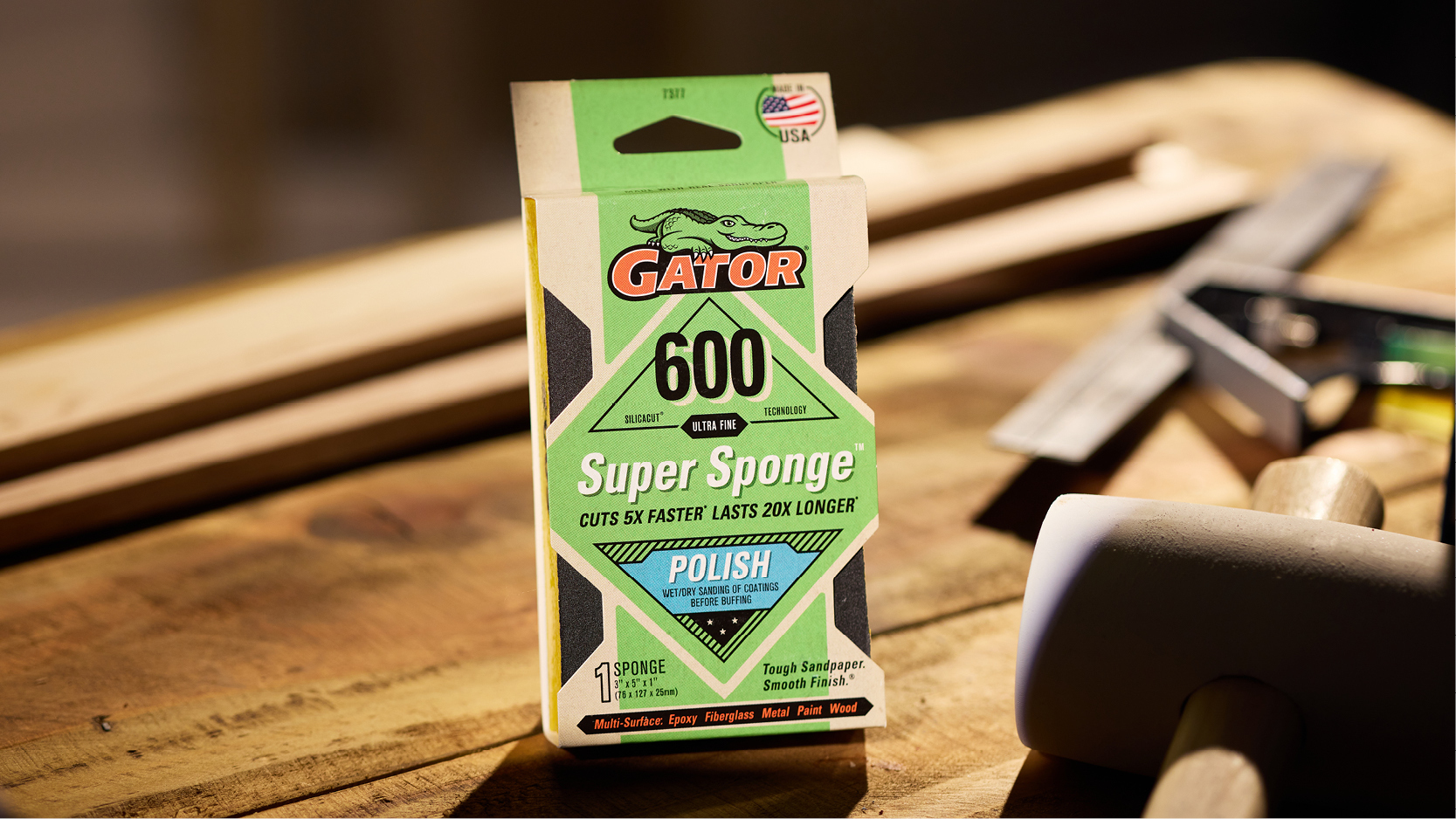
400-600-1500 grit (Extra Fine)
Range: Polish (Wet/dry sanding of coatings before buffing).
Anything higher than 400 grit is generally labelled as extra-fine or super-fine. Use this for polishing finishes on wood and metal, or polishing bare metal. It comes on waterproof sheets for wet-sanding.
• Perfect for…
• Polishing surfaces
• Removing scratches or streak marks
• Wet-sanding (where applicable)
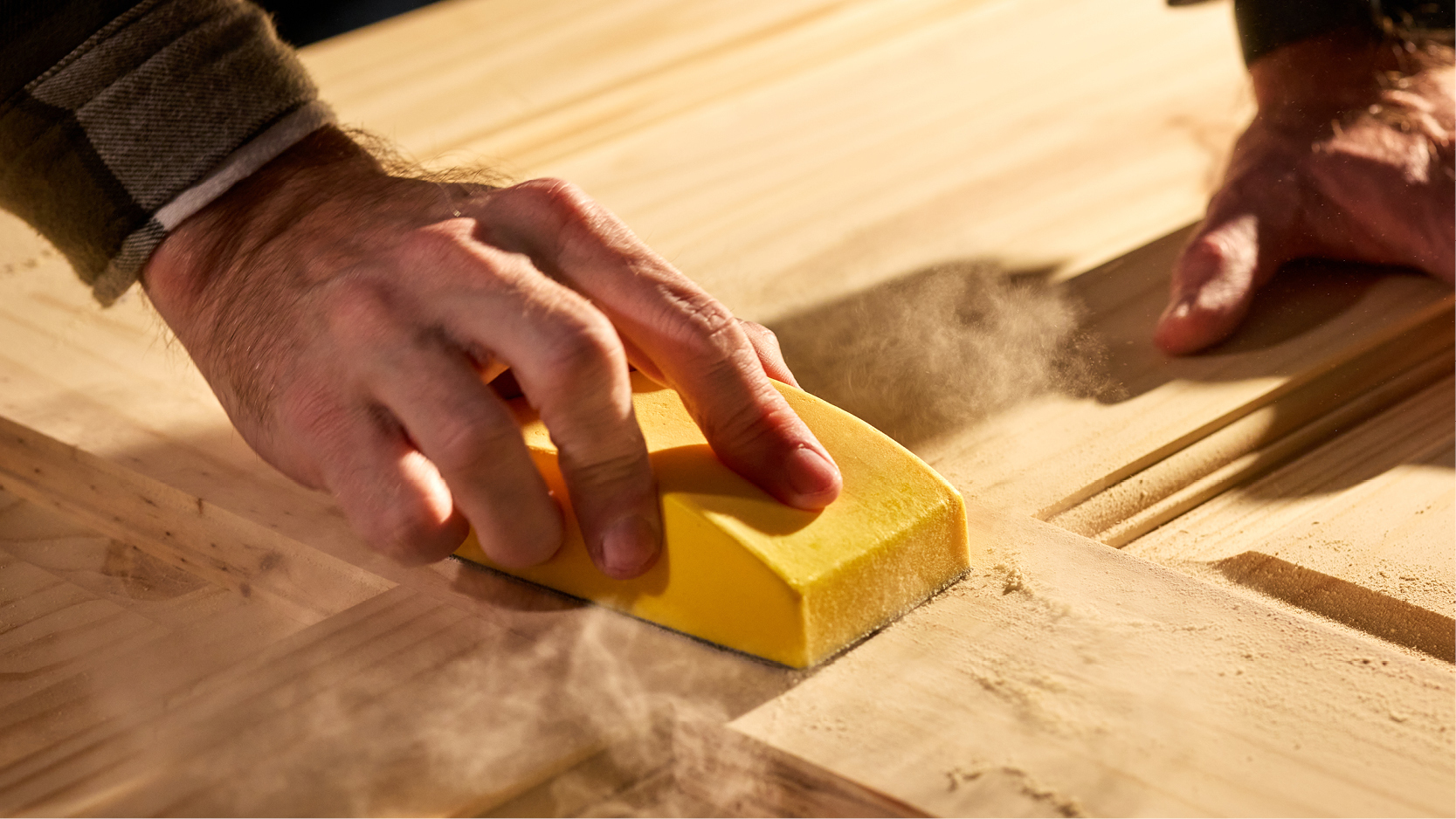
Whether you need sandpaper sheets or our signature Zip sanding tools, Gator has a wide range of high-quality finishing products to choose from. All grit grades are available across different products in our hand sanding range, so you can find the perfect abrasive to suit your project.